
5 actionable debt recovery lessons leaders can't ignore

Key Takeaways
- Timing matters: Early reminders reduce anxiety and improve engagement.
- Clear communication: Avoid overloading customers to maintain trust.
- Acknowledgment builds goodwill: 52% of customers value feeling appreciated.
- Flexibility drives loyalty: 69% of customers prioritize adaptable payment options.
- Personalization inspires action: Tailored solutions reduce decision fatigue.
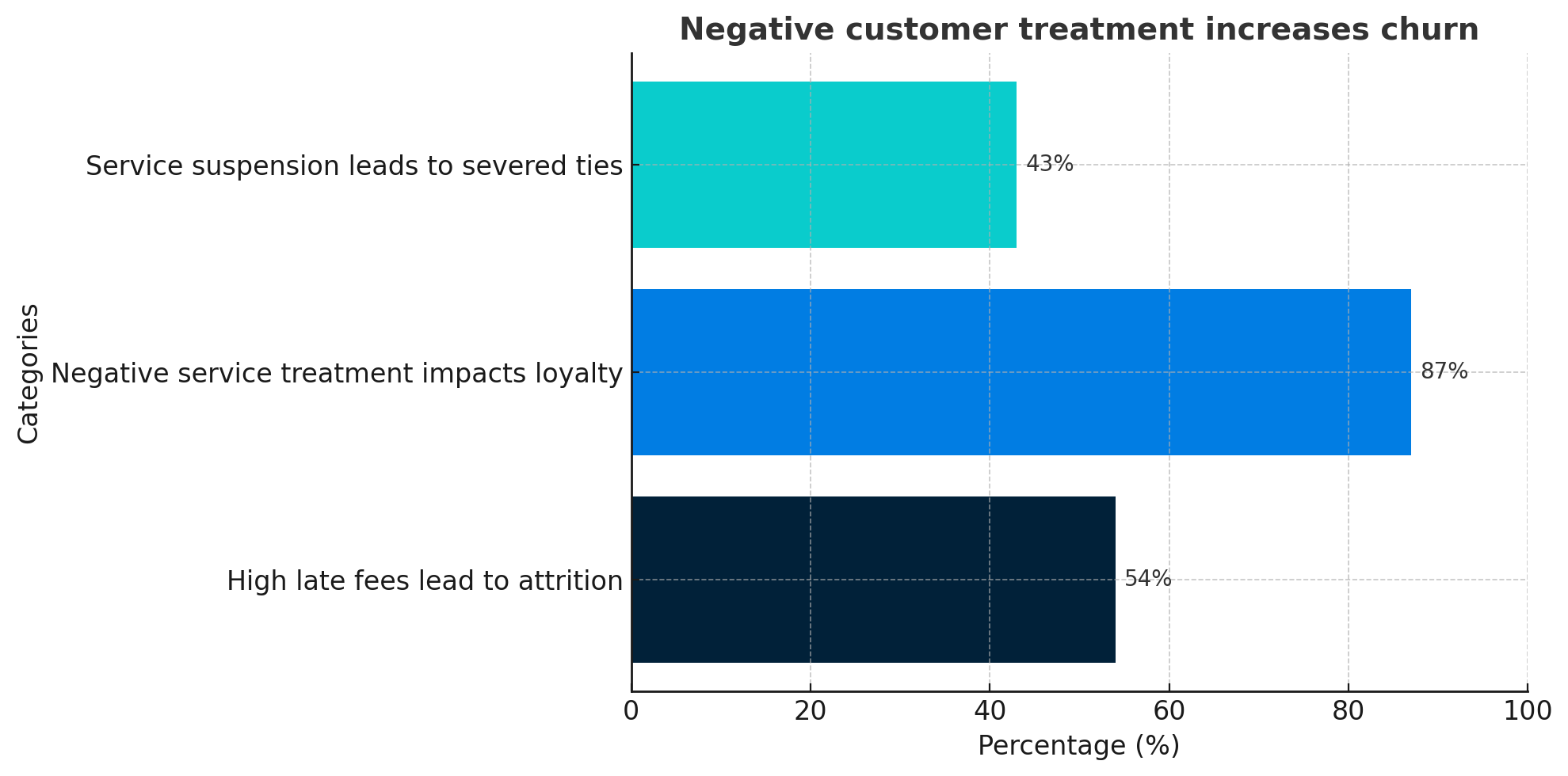
This proves that every interaction in the delinquency journey matters. By addressing the root causes of poor treatment—such as unclear communication, lack of flexibility, or impersonal outreach—you can avoid the common pitfalls of poor engagement and drive meaningful repayment outcomes.
Lesson 1: Act early, win trust
Timing isn't just a best practice—it's a trust-building strategy. Symend's research shows that 26% of customers manage payments more effectively when they receive earlier reminders, which reduces anxiety and increases engagement. Proactive outreach creates a sense of partnership, reducing pressure and fostering trust before delinquency escalates.
Lesson 2: Too much noise silences trust
Communication overload erodes trust and engagement. Instead of overloading your customers, focus on clear, concise outreach that delivers value and guidance.
Lesson 3: Small gestures, big results
A little acknowledgment can go a long way. Our research shows that 52% of customers value feeling recognized and appreciated, even when they're late on payments. Simple gestures like thanking customers for their loyalty or acknowledging their circumstances can foster goodwill and motivate repayment.
Lesson 4: Flexibility fosters loyalty
Flexibility is a cornerstone of trust in debt recovery. Offering straightforward, adaptable payment plans shows customers you're committed to supporting them during challenging times.
Lesson 5: Personalization powers performance
Generic outreach rarely inspires action. By leveraging data to craft hyper-personalized messaging, you can reduce decision fatigue, build trust, and increase repayment rates.
The bottom line
Anticipation is the key to customer loyalty. Successful debt recovery leaders excel by anticipating challenges and designing strategies to address them proactively, reducing their impact before they escalate. How will these lessons transform the way you engage with customers starting today?
Related Articles