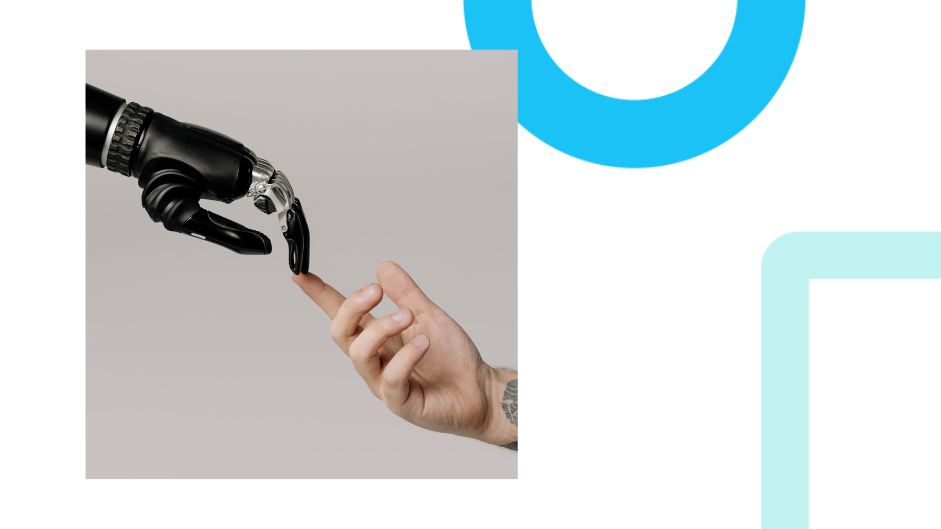
Why collections fail without choice architecture

Key Takeaways
- Small decision barriers stop customers from paying—even when they can.
- Too much information or unclear options lead to inaction.
- The easier the path, the higher the recovery rate.
- Frictionless design turns intent into action.
Ignoring choice architecture in delinquency management strategies likely costs recovered revenue. Many past-due customers want to pay, but friction in the process prevents follow-through.
Choice architecture represents the science of designing decision-making environments to guide behavior. Applied to collections, it reduces friction and motivates customers to settle balances.
When the path to repayment isn't clear, customers hesitate
Small obstacles in decision processes—including unclear instructions, excessive information, or overwhelming options—cause past-due customers to delay action despite payment intent. A 2024 neuroscience study found that increasing option numbers led to negative evaluations and greater choice avoidance, even when all options were beneficial. The issue isn't the quantity of payment methods offered, but whether taking action feels like the simplest next step.
Example: Lisa's dilemma
Consider Lisa, a busy professional receiving a past-due utility notice listing multiple payment methods: online portal login, automated phone line, or mail check. While effective individually, none presents action as simple and immediate. Without messaging that reduces mental effort, Lisa hesitates and delays indefinitely.
The costly mistake collections teams keep making
Traditional collections strategies rely on urgency, repetition, or penalties—often backfiring by increasing avoidance. Past-due customers need a clear, easy path to payment that feels manageable and within their control, rather than pressure alone.
How to make repayment the easiest choice for customers
Symend's streamlined, behavioral science-informed messaging produces dramatic results. When original outreach included seven payment options, customers faced choice overload and inaction.
Too many options create choice overload, triggering inertia, ostrich effect, and status quo bias. Simplifying the path forward and directing attention to immediate payment options increases positive and neutral engagement while facilitating action.
That's where choice architecture comes in
Rather than pressure tactics, choice architecture removes barriers preventing action. By making payment processes easier and intuitive, it minimizes decision friction and encourages follow-through.
Lisa's options redesigned with choice architecture:
- "Click here to pay now."
- "Review my payment plan options."
- "Connect with an agent now for additional support."
When collections messaging removes unnecessary friction and presents clear, manageable next steps, customers follow through more readily to resolve past-due balances.
Stay tuned for our upcoming blog exploring how choice architecture converts payment intent to action, breaking down six key principles making repayment easier and more intuitive.
Key Takeaways
- Too many options cause inaction: Choice paralysis is one of the primary reasons customers with the means and intention to pay still don't. When presented with multiple payment options, customers experiencing cognitive load default to doing nothing rather than risk making a wrong decision.
- Choice architecture is the fix — not more options: Reducing the number of calls-to-action from seven to two focused options produced a 133% increase in payment likelihood in Symend-designed outreach, alongside a 675% increase in positive customer sentiment toward the engagement.
- Behavioral science at the core: Behavioral science defines the variables, data science defines the methodology, and the platform executes. Proprietary Delinquency Archetypes decode each customer's capacity to pay and readiness to act, delivering empathetic, personalized outreach that resolves accounts and preserves the relationship.
- Design principles that work: Effective choice architecture in collections means limiting primary options to two, using defaults that favor resolution, framing choices in terms of what the customer gains rather than what they owe, and removing friction from the path to payment commitment.
- Fast time-to-value: 90-day pilot deployable in weeks; AI model training begins within 24 hours of customer data ingestion with cohort reviews at day 40 and day 80.
Frequently Asked Questions
What is choice architecture in debt collection?
Why does traditional debt collection fail?
How can choice architecture improve collections?
Related Articles