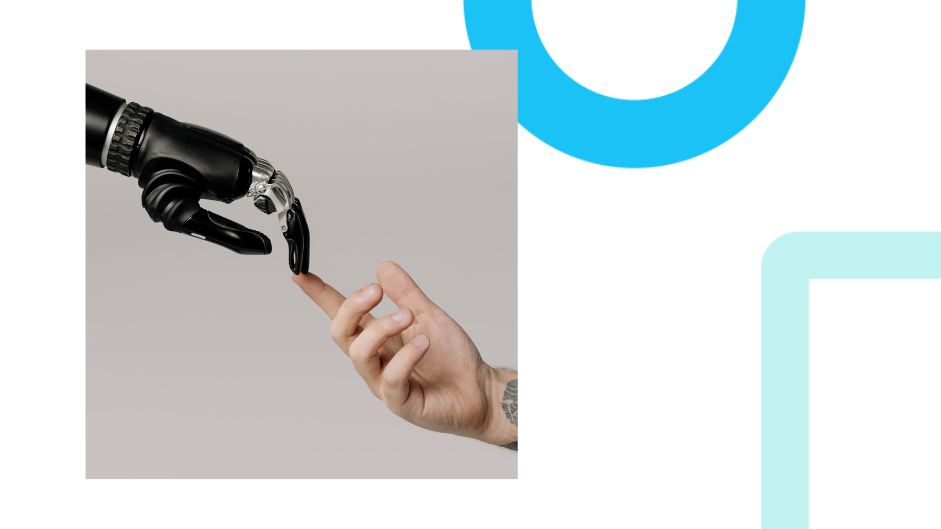
Why empathizing with customers is essential for utility service providers
Understanding scarcity mindset to improve customer engagement and outcomes
Key Takeaways
- Financial scarcity affects cognitive capacity and decision-making
- Utility customers facing hardship need empathy, not pressure
- Understanding scarcity mindset leads to more effective engagement strategies
- Empathetic approaches improve payment outcomes and customer retention
- Service providers can support customers while protecting revenue
For utility service providers, customer empathy isn't just good ethics—it's essential for effective customer engagement. As energy costs rise and household budgets tighten, understanding the psychological impact of financial scarcity becomes critical for maintaining positive customer relationships while ensuring payment consistency.
The Reality of Scarcity Mindset
When customers face financial constraints, they enter what behavioral scientists call a "scarcity mindset." This isn't simply about having less money—it's a psychological state that fundamentally changes how people think, make decisions, and respond to communications.
Research shows that financial scarcity consumes mental bandwidth. When worried about making ends meet, customers have less cognitive capacity available for other decisions and tasks. This affects their ability to engage with utility bills, respond to communications, and navigate payment processes—even when they genuinely want to pay.
How Scarcity Affects Utility Customers
Understanding the specific ways scarcity mindset impacts utility customers helps providers develop more effective engagement strategies:
Tunneling on Immediate Needs
Customers experiencing scarcity focus intensely on immediate, pressing needs. A utility bill due in two weeks may feel less urgent than today's grocery shopping or tomorrow's rent payment. This isn't irresponsibility—it's a natural cognitive response to resource constraints.
Decision Fatigue and Avoidance
The mental strain of managing limited resources leads to decision fatigue. Customers may avoid opening bills or responding to communications not because they don't care, but because they lack the mental energy to engage with another financial decision.
Reduced Ability to Plan Ahead
Scarcity mindset makes it harder to think long-term. Setting up payment plans or enrolling in budget billing programs requires future-oriented thinking that feels impossible when struggling to get through the present week.
Emotional Responses to Communication
Traditional utility communications—reminders, warnings, disconnection notices—can trigger shame, anxiety, and defensive responses in customers experiencing scarcity. These emotional reactions often lead to avoidance rather than engagement.
Why Traditional Approaches Fall Short
Many standard utility engagement practices assume customers have the cognitive resources, emotional stability, and decision-making capacity to respond rationally to communications. For customers in scarcity mindset, these assumptions don't hold.
Repeated reminder notices may increase anxiety rather than prompting action. Complex payment plan options overwhelm rather than help. Stern warning language triggers avoidance instead of engagement. Without understanding scarcity mindset, well-intentioned communications often backfire.
Empathy-Driven Engagement Strategies
Recognizing scarcity mindset enables utility providers to design engagement approaches that work with customers' psychological realities rather than against them:
Simplify Choices and Actions
Reduce cognitive load by making payment processes as simple as possible. Pre-fill amounts, offer one-click payment options, minimize required decisions. Every additional choice or step is a barrier for customers in scarcity mindset.
Timing Matters
Reach out to customers before they enter crisis mode. Early, supportive communication when accounts first become past-due is more effective than aggressive outreach after deeper delinquency.
Reframe the Conversation
Instead of emphasizing penalties and disconnection, focus on solutions and support. Messages that acknowledge difficulty and offer help reduce shame and increase engagement.
Flexible Payment Options
Recognize that standard payment schedules may not align with customers' fluctuating cash flow. Flexible arrangements, smaller payment amounts, and payment date options accommodate the reality of financial scarcity.
Proactive Assistance Programs
Connect customers to assistance programs, energy efficiency resources, and financial wellness tools. This positions the utility as a partner in customers' financial success rather than just a creditor.
Technology Enables Empathy at Scale
Implementing empathetic, scarcity-aware engagement across thousands or millions of customers requires technology that can personalize approaches based on individual circumstances and behaviors.
AI-powered platforms can identify customers likely experiencing scarcity, predict which engagement strategies will be most effective, and deliver personalized communications that reduce cognitive burden and emotional stress. These systems make it possible to treat each customer with individual empathy while maintaining operational efficiency.
The Business Case for Empathy
Empathy-driven approaches aren't just ethically right—they deliver measurable business benefits for utility providers:
- Higher payment rates through increased customer engagement
- Reduced disconnections and reconnection costs
- Lower call center volume from anxious or confused customers
- Improved customer satisfaction and reduced churn in competitive markets
- Enhanced brand reputation and community relationships
- Better regulatory positioning as customer protection expectations increase
Supporting Customers Through Difficulty
As economic pressures continue and energy costs remain volatile, the number of utility customers experiencing financial scarcity will likely increase. Providers that understand the psychology of scarcity and respond with empathy will build stronger customer relationships while maintaining healthier payment performance.
Empathy doesn't mean accepting non-payment—it means recognizing the cognitive and emotional realities customers face and designing engagement strategies that support successful payment outcomes. When utilities partner with customers rather than pressuring them, everyone benefits.