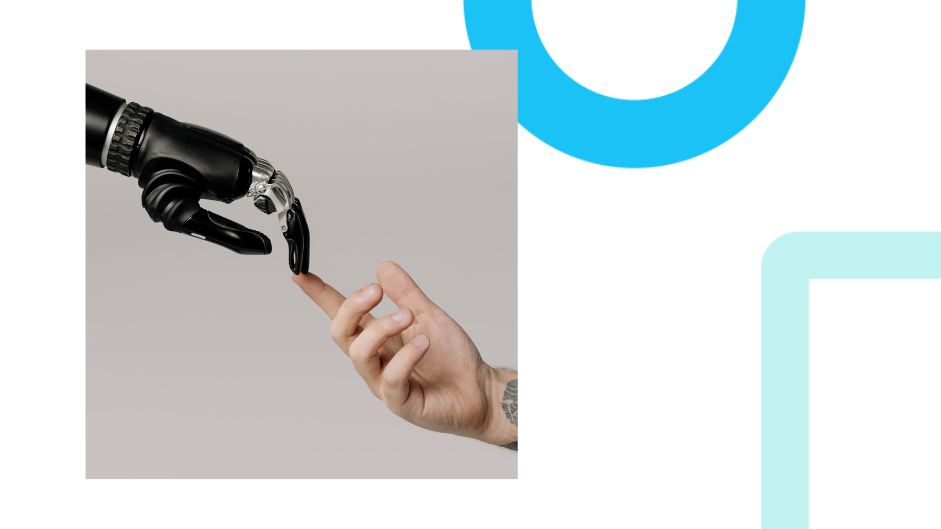
Recapping the science of conscious engagement
How behavioral SMS messaging research is transforming customer communication
Key Takeaways
- Conscious engagement combines behavioral science with technology to create respectful, effective customer interactions
- Research shows SMS messaging, when properly designed, achieves significantly higher engagement than traditional channels
- Behavioral principles like social proof, loss aversion, and framing dramatically impact message effectiveness
- Timing, personalization, and tone are critical factors in SMS success
As organizations increasingly turn to SMS messaging for customer engagement, a critical question emerges: How do we leverage this powerful channel in a way that's both effective and respectful? The answer lies in what we call "conscious engagement"—an approach grounded in behavioral science research that treats customers as people, not just accounts.
What is Conscious Engagement?
Conscious engagement is a customer interaction philosophy that combines deep understanding of human psychology with advanced technology to create communications that are:
- Relevant: Tailored to each individual's unique situation and needs
- Timely: Delivered when customers are most receptive
- Respectful: Acknowledging the person behind the account
- Effective: Designed to drive positive outcomes for both parties
- Measurable: Continuously optimized based on real results
When applied to SMS messaging, conscious engagement transforms what could be an intrusive, generic blast into a helpful, personalized touchpoint that customers actually appreciate.
The Research Behind Behavioral SMS
Over the past decade, extensive research has revealed specific behavioral principles that make SMS messaging more effective. Here are the key findings:
1. Personalization Multiplies Engagement
Generic messages ("You have a payment due") perform significantly worse than personalized ones ("Hi Sarah, your $45 payment is due tomorrow"). Research shows personalized SMS messages achieve:
- 38% higher open rates compared to generic messages
- 2.5x higher click-through rates
- 3x higher conversion to payment
The key is going beyond just inserting a name—true personalization considers account history, communication preferences, previous behaviors, and current circumstances.
2. Timing is Everything
When a message arrives can be just as important as what it says. Behavioral research reveals:
- Messages sent on Tuesday-Thursday see 23% better response than Monday or Friday
- Morning messages (8-11 AM) outperform evening ones for financial decisions
- Sending too many messages creates fatigue—optimal frequency is 1-2 per week
- Time zone personalization increases engagement by 15%
3. Tone Affects Trust
The emotional tone of SMS messages significantly impacts how customers respond. Research comparing different tones found:
- Empathetic tone: "We understand things come up" ? 31% higher positive response
- Urgent tone: "Action required immediately" ? 17% higher anxiety, lower completion
- Supportive tone: "We're here to help" ? 28% increase in voluntary engagement
- Neutral tone: "Payment due" ? Baseline response
4. Social Proof Motivates Action
Including social proof—references to what similar people are doing—leverages our innate tendency to follow the crowd. Messages like "9 out of 10 customers in your situation have successfully resolved their account" increase payment rates by up to 22%.
5. Loss Framing Outperforms Gain Framing
Due to loss aversion—our tendency to feel losses more strongly than equivalent gains—messages framed around what customers stand to lose perform better than those focused on gains:
- "Protect your credit score" (loss framing) ? 19% higher engagement
- "Improve your credit score" (gain framing) ? Baseline
6. Clear Calls-to-Action Drive Completion
SMS messages with a single, clear call-to-action outperform those with multiple options or vague instructions:
- "Click here to pay $45 now" ? 42% click-through rate
- "Review your account and payment options" ? 18% click-through rate
Practical Application: Building Effective SMS Journeys
Armed with this research, how should organizations structure their SMS engagement? Here's a proven framework:
The Awareness Message
First touchpoint when an account becomes past due. Focus: Friendly reminder with easy payment link.
Example: "Hi Maria, just a reminder your $67 payment was due yesterday. Pay now to avoid late fees: [link]"
The Understanding Message
If no response, second message shows empathy and offers options.
Example: "Hi Maria, we understand things come up. If $67 is difficult right now, we have flexible options: [link]"
The Motivation Message
Third touchpoint leverages behavioral principles like social proof or loss aversion.
Example: "Maria, 92% of customers in your situation have kept their account in good standing. Protect your credit score here: [link]"
The Resolution Message
Final digital touchpoint before escalation, emphasizing urgency and consequences.
Example: "Final reminder Maria: Your account will be restricted in 48 hours. Avoid this by paying now: [link]"
Measuring Success
Conscious engagement requires continuous measurement and optimization. Key metrics include:
- Engagement Rate: Percentage of recipients who click links or respond
- Conversion Rate: Percentage who complete desired action (payment, enrollment, etc.)
- Opt-Out Rate: Indicator of whether messaging is perceived as valuable or intrusive
- Response Time: How quickly customers take action after receiving message
- Customer Satisfaction: Direct feedback on messaging experience
Avoiding Common Pitfalls
Research also reveals what doesn't work in SMS engagement:
- Message Overload: Sending too frequently creates opt-outs and brand damage
- Generic Content: One-size-fits-all messaging fails to resonate
- Poor Timing: Late-night or early-morning messages frustrate recipients
- Unclear Sender: Customers need to immediately know who's texting them
- Dead-End Links: Every link should lead to a mobile-optimized, simple action
- Ignoring Responses: If customers reply, there must be appropriate follow-up
The Ethics of Behavioral SMS
With great power comes great responsibility. Behavioral science techniques can be highly persuasive, which makes ethical application critical:
- Transparency: Be clear about who is messaging and why
- Consent: Respect opt-out requests immediately
- Authenticity: Don't use behavioral techniques to mislead or manipulate
- Empathy: Recognize that behind every number is a person with challenges and circumstances
- Fairness: Apply techniques consistently across all customer segments
Looking Forward
SMS messaging will continue to evolve as a customer engagement channel. Emerging trends include:
- Conversational SMS: Two-way dialogue rather than one-way broadcasts—see how SymendConverse enables natural AI conversations
- AI-Powered Personalization: Real-time message optimization based on customer responses
- Rich Media: Integration of images, videos, and interactive elements
- Predictive Timing: Machine learning to identify optimal send times for each individual
Conclusion
The science of conscious engagement transforms SMS from a simple notification tool into a powerful, respectful communication channel that benefits both organizations and customers. By grounding our approach in behavioral research—understanding what motivates people, when they're receptive, and how they prefer to be communicated with—we can create SMS experiences that customers actually value. SymendCure applies these conscious engagement principles to help organizations recover more while preserving customer relationships.
The research is clear: When done right, behavioral SMS messaging doesn't just improve business metrics—it improves customer relationships. That's the promise of conscious engagement.