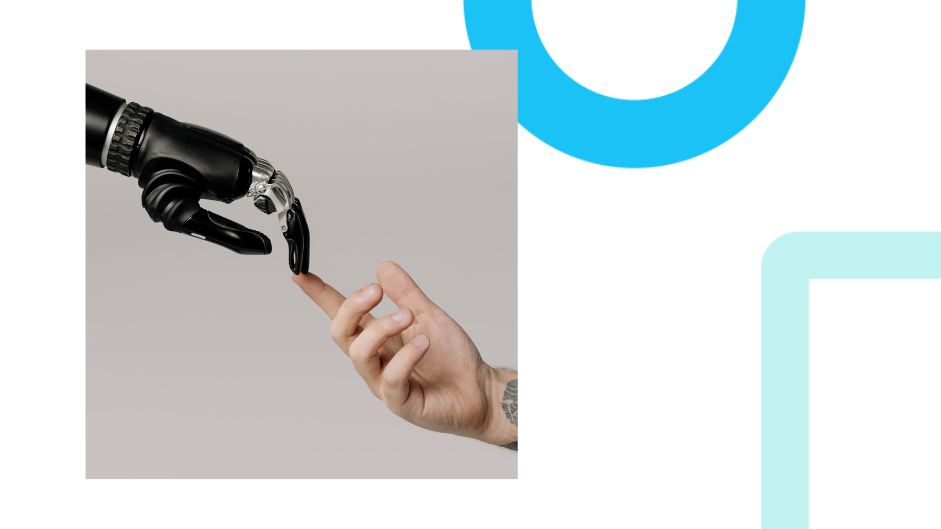
Why an empathetic approach to debt collection is needed today
Building trust and improving outcomes through empathy-driven collections
Key Takeaways
- Empathetic collections approaches improve recovery rates while maintaining customer relationships
- Economic uncertainty makes understanding customer circumstances more critical than ever
- Empathy-driven strategies reduce customer stress and increase engagement
- Technology enables personalized, empathetic communication at scale
- Organizations that prioritize empathy see better long-term business outcomes
The traditional approach to debt collection—aggressive tactics, frequent calls, and standardized messaging—is increasingly at odds with both customer expectations and business realities. In today's economic environment, characterized by uncertainty and financial stress for many consumers, an empathetic approach to collections isn't just ethically sound; it's strategically essential.
The Changing Landscape of Consumer Debt
Recent years have brought unprecedented challenges to household finances. Inflation, rising interest rates, and economic volatility have stretched family budgets to their limits. For many customers facing past-due accounts, the issue isn't willful non-payment—it's genuine financial hardship.
When customers fall behind on payments, they're often dealing with difficult circumstances: job loss, medical expenses, family emergencies, or the cumulative impact of rising costs across all aspects of life. Traditional collections approaches that assume bad intent or attempt to shame customers into payment not only fail to acknowledge these realities but actively harm the customer relationship.
Why Empathy Works Better
Empathy in debt collection means understanding the customer's perspective, acknowledging their circumstances, and working collaboratively toward resolution. This approach consistently produces better results than aggressive tactics.
Reduced Customer Stress and Anxiety
Financial difficulties are already stressful. When collection efforts add to that stress through aggressive or shame-based tactics, customers often respond by avoiding communication entirely. Empathetic approaches reduce this anxiety, making customers more willing to engage and work toward solutions.
Increased Engagement and Response Rates
Customers are far more likely to respond to messages that demonstrate understanding and offer genuine help rather than threats or pressure. Empathetic communication increases response rates, shortens resolution times, and improves overall recovery performance.
Preservation of Customer Relationships
Many past-due customers will return to financial stability. How they're treated during a difficult period determines whether they remain customers afterward. Empathetic collections approaches preserve relationships and customer lifetime value while recovering outstanding amounts.
Better Outcomes for Vulnerable Customers
Some customers facing financial difficulties are particularly vulnerable due to age, health conditions, or other circumstances. Empathetic approaches ensure these customers receive appropriate support and accommodation, meeting both ethical standards and regulatory requirements.
What Empathetic Collections Looks Like in Practice
Implementing empathy in collections requires rethinking traditional approaches across multiple dimensions:
Personalized Communication
Rather than one-size-fits-all messaging, empathetic collections use customer data to understand individual circumstances and tailor communication accordingly. Messages acknowledge specific situations and offer relevant solutions.
Flexible Payment Options
Empathy means recognizing that standard payment terms may not work for customers experiencing hardship. Offering flexible arrangements, payment plans, and customized solutions shows understanding of customer circumstances.
Respectful Tone and Language
The words used in collections matter. Empathetic communication avoids stigmatizing language, maintains respectful tone, and frames interactions as collaborative problem-solving rather than adversarial confrontation.
Proactive Support and Resources
Truly empathetic organizations go beyond collecting debt to helping customers improve their financial situation. This might include financial wellness resources, budgeting tools, or connections to assistance programs.
Technology Enables Empathy at Scale
One challenge with empathetic collections has been implementing personalized, understanding approaches across large customer populations. Modern technology makes this possible.
AI and behavioral science platforms can analyze customer data to understand individual circumstances, predict which approaches will be most effective, and deliver personalized messaging at scale. These systems can identify customers who need extra support, suggest appropriate payment arrangements, and ensure communication timing and channels match customer preferences.
Rather than replacing human empathy, technology amplifies it—enabling organizations to treat every customer with individual understanding while maintaining operational efficiency.
The Business Case for Empathy
Beyond the ethical imperative, empathetic collections deliver measurable business benefits:
- Higher recovery rates: Customers are more likely to pay when treated with respect and understanding
- Lower operational costs: Reduced contact attempts and shorter resolution times decrease expenses
- Improved customer retention: Preserving relationships maintains future revenue
- Reduced regulatory risk: Empathetic approaches align with consumer protection requirements
- Enhanced brand reputation: How companies treat customers in difficult times shapes public perception
Moving Forward
The shift toward empathetic collections isn't just a trend—it represents a fundamental evolution in how businesses approach customer relationships during challenging times. As economic pressures continue and consumer expectations rise, organizations that embrace empathy will build stronger, more resilient customer relationships while achieving better financial outcomes.
The question isn't whether your organization can afford to be empathetic in collections—it's whether you can afford not to be.